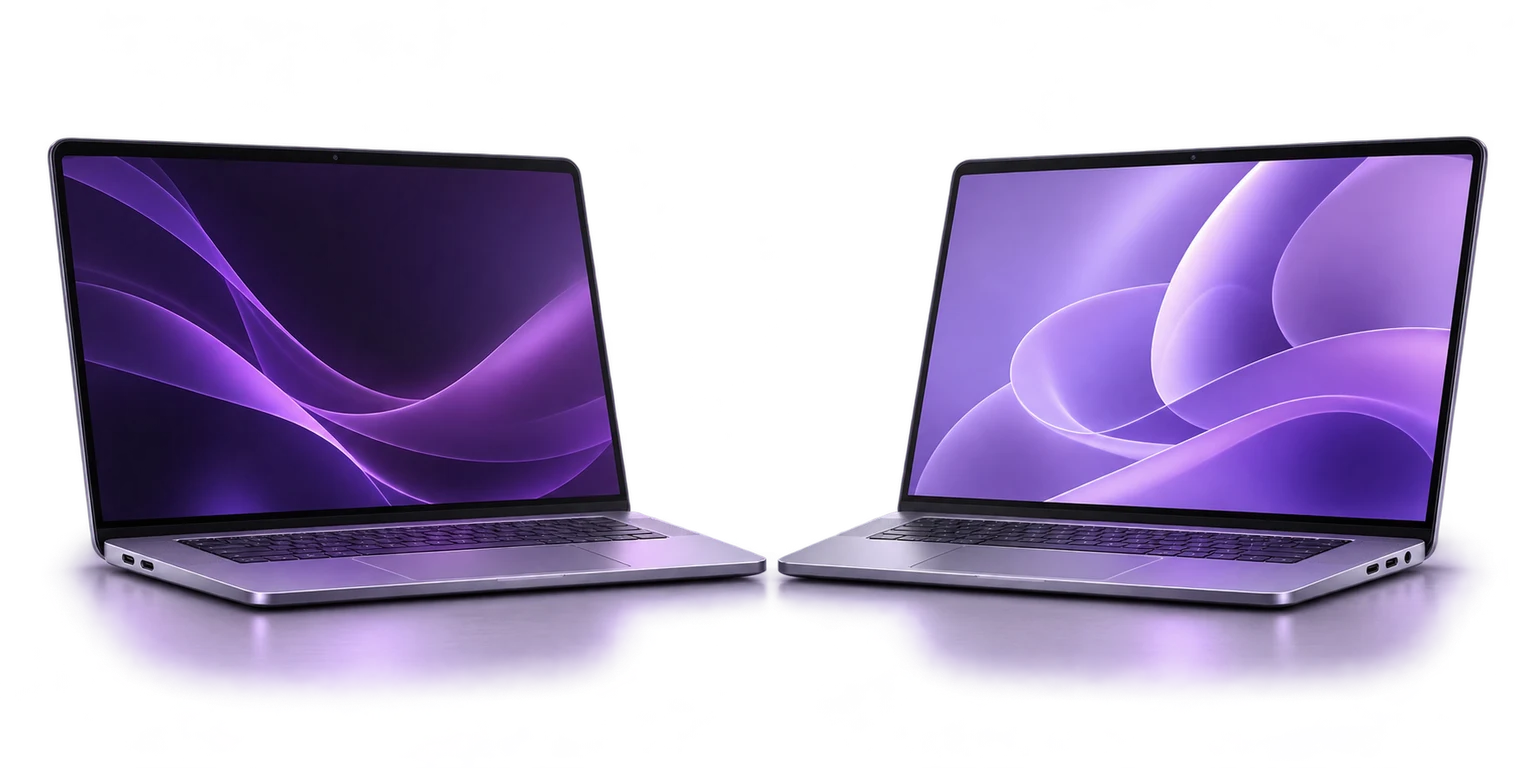
The short answer.
Sometimes, but an ordinary laptop HDMI port usually sends video out. Receiving another device requires supported wireless projection, a documented video-input feature or capture hardware with its own limitations.
Check whether the port receives video
Look up the exact laptop manual and search for video input, not just HDMI. A port described as HDMI output cannot receive a console or another computer display by connecting a cable. USB-C shape alone does not establish video-input support either.
A cable adapter cannot turn an output-only port into an input. If the laptop has a rare documented input feature, follow that model instructions. Otherwise choose a wireless or capture route based on what you want to do.
Try supported Windows wireless projection
Compatible Windows devices can use Wireless Display to receive a projected screen. On the receiving PC, check System settings for Projecting to this PC and install the optional Wireless Display feature when available. On the sending Windows PC, Win+K opens the wireless display connection choices.
Hardware support and organization restrictions can affect availability. Follow Microsoft projection instructions for your Windows version. A missing receiver is not proof that a different HDMI cable will help.
Know when wireless is good enough
Wireless projection can be convenient for reference material or a presentation. Image quality and responsiveness depend on the connection and devices. Do not assume it will behave like a directly attached monitor for fast games or precise visual work.
Test the actual application before relying on the setup. Check text readability, pointer delay and whether the sending computer offers the display mode you need. Keep private notifications off the shared screen.
Use capture hardware for an external video source
A compatible capture device accepts an HDMI source and sends captured video to software on the laptop through USB. This is a video preview, not a direct connection to the laptop panel. Check supported input resolution, capture resolution and USB requirements separately.
Preview delay can make games uncomfortable. For responsive play, a separate monitor connected through supported passthrough may be preferable. Our Nintendo Switch connection guide explains that arrangement. Protected video may not be available for capture.
Choose a real monitor when the task calls for it
If you need a dependable second desktop every day, a separate monitor is usually simpler to evaluate. Check your laptop video outputs, the monitor inputs and the required resolution and refresh rate. A portable monitor can be another option when desk space is limited.
A dock may help connect an external screen, but it does not normally turn another laptop into a monitor. Use our dock compatibility guide to check the host connection before buying accessories.
Build the connection map before buying anything
Write down the source, receiver and desired result. A console provides an HDMI output; a typical laptop also provides an HDMI output. Joining two outputs with a cable will not make the laptop panel a display. If the source is another Windows computer, check whether the receiving laptop supports Wireless Display and whether both machines meet the network and account requirements. Microsoft's projection instructions cover the supported Windows route. A model manual should confirm any unusual video-input feature before you pay for an adapter.
Decide whether you need an extended desktop, a duplicate picture or simply to watch another device's output. Those goals require different hardware and have different delay and privacy implications. A true external monitor is usually the simplest choice for a desk setup.
Understand what a capture device changes
A capture device receives a video signal and delivers a preview through software on the laptop. That makes it useful for recording or viewing a camera or game console, but it does not turn the laptop's HDMI socket into an input. Check the capture device's input format, computer connection, software support and power requirements. Elgato's technical specification shows how input, preview and HDMI passthrough are separate capabilities on one product. Another device may differ.
Preview delay matters for fast games. If the capture box provides passthrough, a separate monitor or television can display the game with less delay while the laptop records it. Confirm the claimed mode and cable path for the exact product before purchase.
Elgato’s Switch capture example shows the difference between an HDMI source and the laptop software preview. Use it as a wiring example, not as a universal compatibility promise.
Test the chosen route with a small task
For Windows wireless projection, try a single window or short presentation and check that the receiving laptop can accept the connection, display it at a readable resolution and play sound where expected. A hotel or public network may block discovery. If it fails, check the optional feature and device support before resetting either computer. For capture, test a known working source and cable, select the correct input in the capture app and observe both picture and sound. Change only one link at a time.
Keep the source's own display available for setup or recovery. A laptop acting as a temporary receiver may depend on its battery, software and network, so it is a poor substitute for a reliable monitor when daily work depends on the second screen.
Common questions
Can HDMI from one laptop go into another?
Usually no. Most laptop HDMI ports are outputs. Check the receiving model's manual for a documented input before trying a cable. A capture device or supported wireless projection route is needed when both computers only output video.
Can a MacBook receive another device through HDMI?
A MacBook's display-output adapters do not make its screen a general HDMI input. Check the exact Mac model and the source device. A capture device can show a preview in software, with its own compatibility and delay limits.
Will wireless projection work for gaming?
It can be useful for a presentation or reference window, but network delay and image quality may make fast play uncomfortable. Test the exact devices and connection. A dedicated monitor or capture device with a suitable passthrough path is more predictable.
How do I avoid buying the wrong adapter?
Draw the signal direction from source output to receiver input. Check the specification for each port and adapter, including whether USB-C supports video and whether an HDMI device captures or merely converts. Connector shape alone does not prove function.
How this guide was prepared
We explain documented features and practical considerations using research-based guidance. We do not claim to have tested a device unless a test is specifically documented. Check manufacturer instructions, compatibility and current retailer terms before acting.